

· By bedly comfort products
Why AI Is Making College Students More Exhausted (Not Less)
AI was supposed to make college easier.
Faster research.
Quicker outlines.
Less busywork.
Instead, many students are more exhausted than ever — and sleep is taking the hit.
How AI Changed Study Culture Overnight
With AI tools everywhere, students now:
-
study later into the night
-
revise work repeatedly
-
feel pressure to “optimize” everything
-
never fully shut off
The workload didn’t shrink — expectations expanded.
Why AI Pushes Bedtime Later
AI makes it easy to keep going.
There’s always:
-
another revision
-
a better draft
-
a cleaner answer
Students stay up later “just fixing one more thing,” and sleep gets delayed night after night.
The Hidden Sleep Cost Nobody Talks About
Late-night AI use often leads to:
-
collapsing into bed mentally wired
-
overheating in dorm rooms
-
restless sleep
-
waking up tired despite “enough” hours
This isn’t about discipline — it’s about recovery quality.
Why Dorm Beds Make This Worse
After long AI-powered study sessions, students need deep recovery.
But dorm beds:
-
trap heat
-
shift under movement
-
interrupt deep sleep
When sheets slide or the bed overheats, the body never fully recovers.
What Actually Helps Students Recover
Two simple changes make a big difference:
-
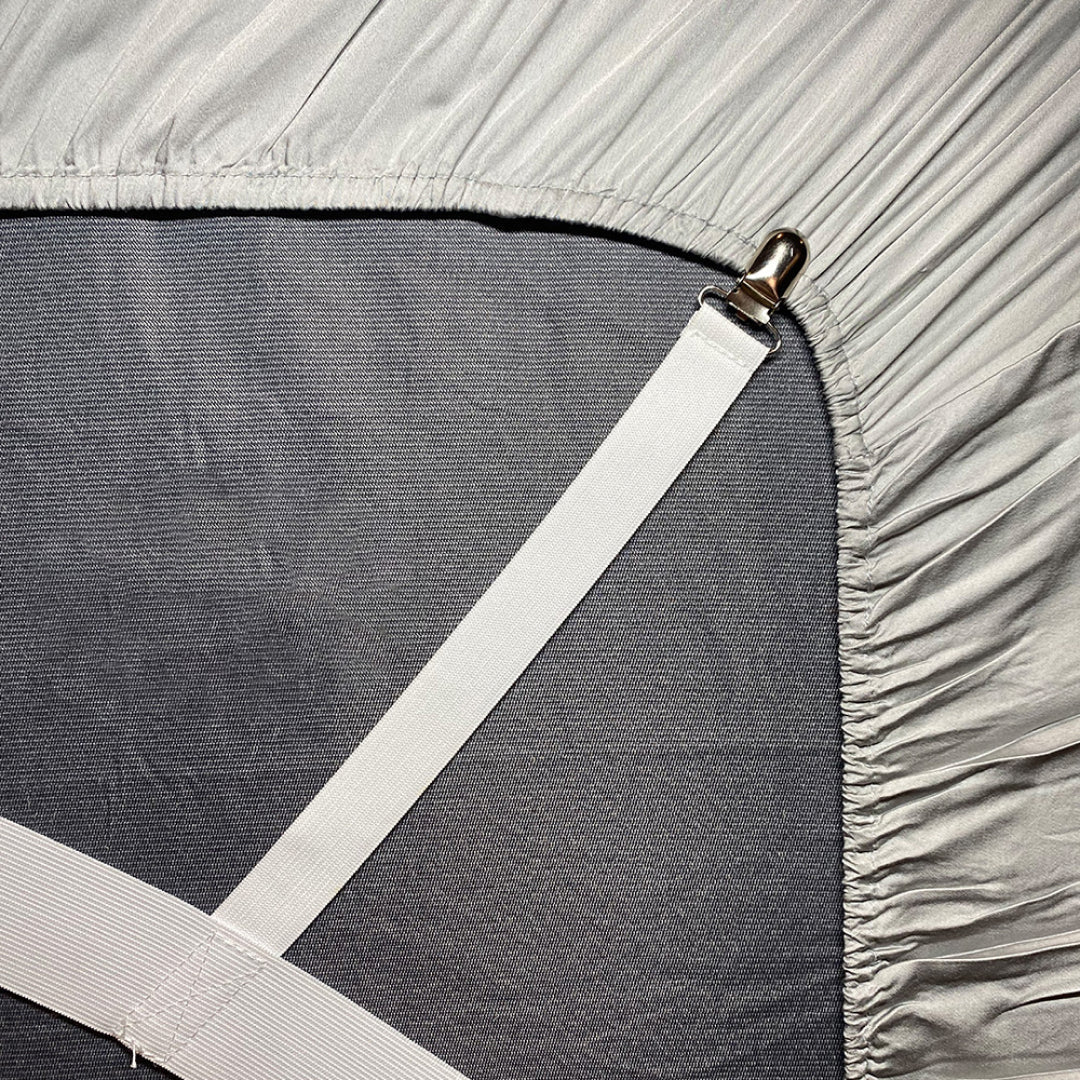
Bed stability: Bedly Straps keep the topper and sheets secure, reducing micro-wakeups after long nights.
-
Temperature regulation: The Bedly Bamboo Bed Set helps prevent overheating when dorm heat and stress collide.
These don’t reduce workload — they improve recovery.
A Note for Parents
AI didn’t remove stress — it changed how students experience it.
Better sleep environments help students adapt without burning out.
Bottom Line
AI didn’t break college sleep.
It exposed how fragile recovery already was.
When students sleep better, they handle modern workloads better — even in an always-on world.