

· By bedly comfort products
How Roommates Quietly Ruin College Sleep (Without Meaning To)
Most roommate sleep problems don’t come from bad intentions.
They come from different rhythms.
One roommate sleeps early.
One studies late.
One scrolls.
One wakes up early.
And suddenly, nobody sleeps well.
Why Dorm Sleep Is a Group Experience
In a dorm, sleep isn’t private.
Roommates affect:
-
lighting
-
noise
-
temperature
-
movement
Even small actions — flipping on a light, opening a laptop, shifting in bed — can interrupt deep sleep.
The Most Common “Invisible” Sleep Disruptions
Roommates often don’t realize they’re causing problems when they:
-
turn on overhead lights late
-
watch videos quietly (but not quietly enough)
-
get in and out of bed multiple times
-
study while someone else is trying to sleep
These moments trigger micro-wakeups that students don’t remember — but feel the next day.
Why Confrontation Rarely Fixes It
Students hesitate to say something because:
-
they don’t want conflict
-
they don’t want to seem controlling
-
they assume it’s “just college”
So they adapt — and sleep quality drops.
How Students Can Protect Sleep Without Awkward Conversations
The fastest fixes don’t involve roommates at all.
Two changes that help immediately:
-
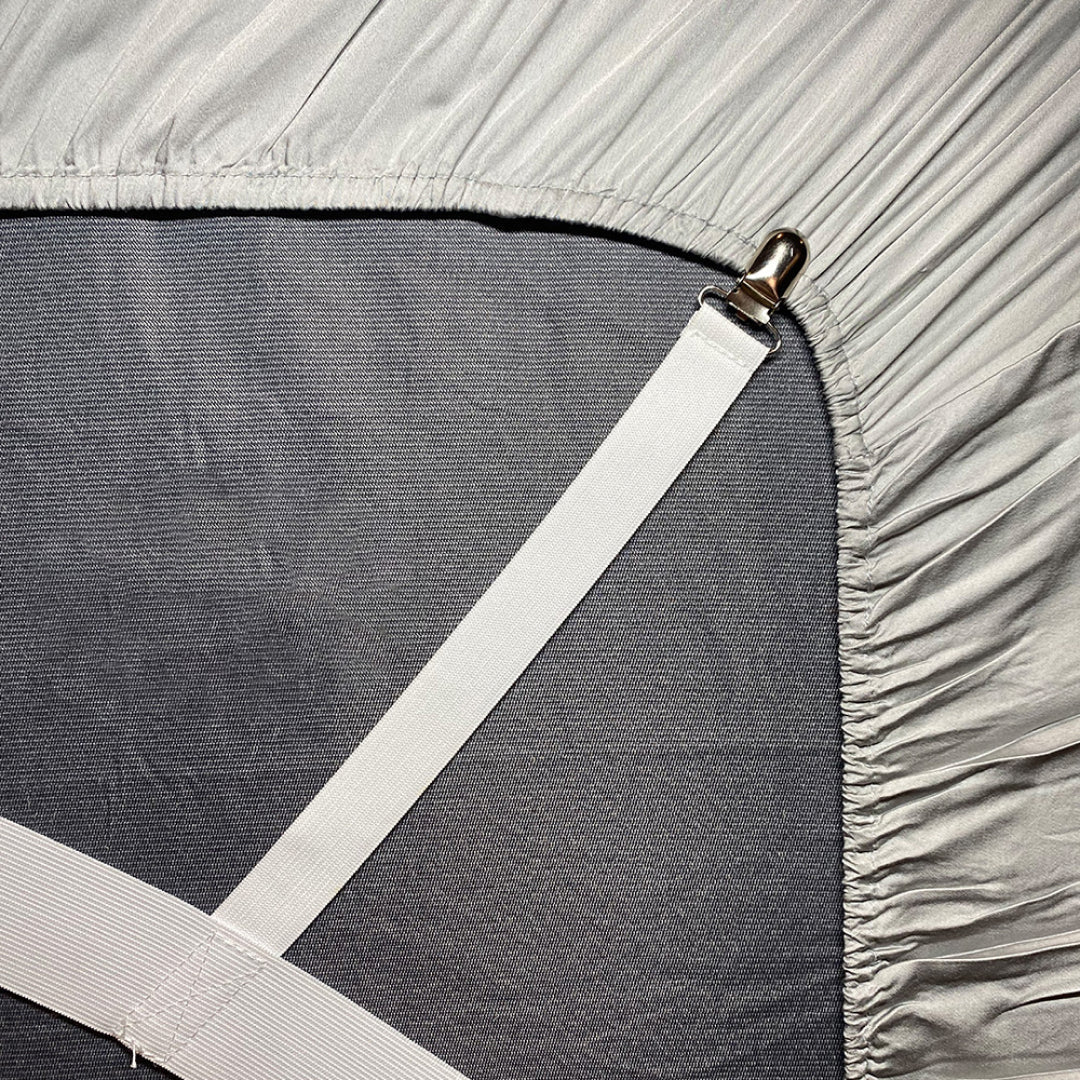
Bed stability: Bedly Straps keep sheets and toppers from shifting when roommates move around, reducing sensitivity to disturbances.
-
Temperature comfort: Bedly Bamboo Bed Set helps prevent overheating, which makes students more sensitive to noise and movement.
Better sleep makes dorm disruptions easier to tolerate.
For Parents Concerned About Shared Living
Roommate sleep issues are normal — but chronic exhaustion doesn’t have to be.
Improving sleep comfort helps students adapt without conflict or resentment.
Bottom Line
Roommates don’t ruin sleep on purpose.
But dorm life makes disruption inevitable.
Protecting sleep quality is often easier than changing people.